Black Masterbatch Strengthens HDPE Pipes for Water, Irrigation and Industrial Use
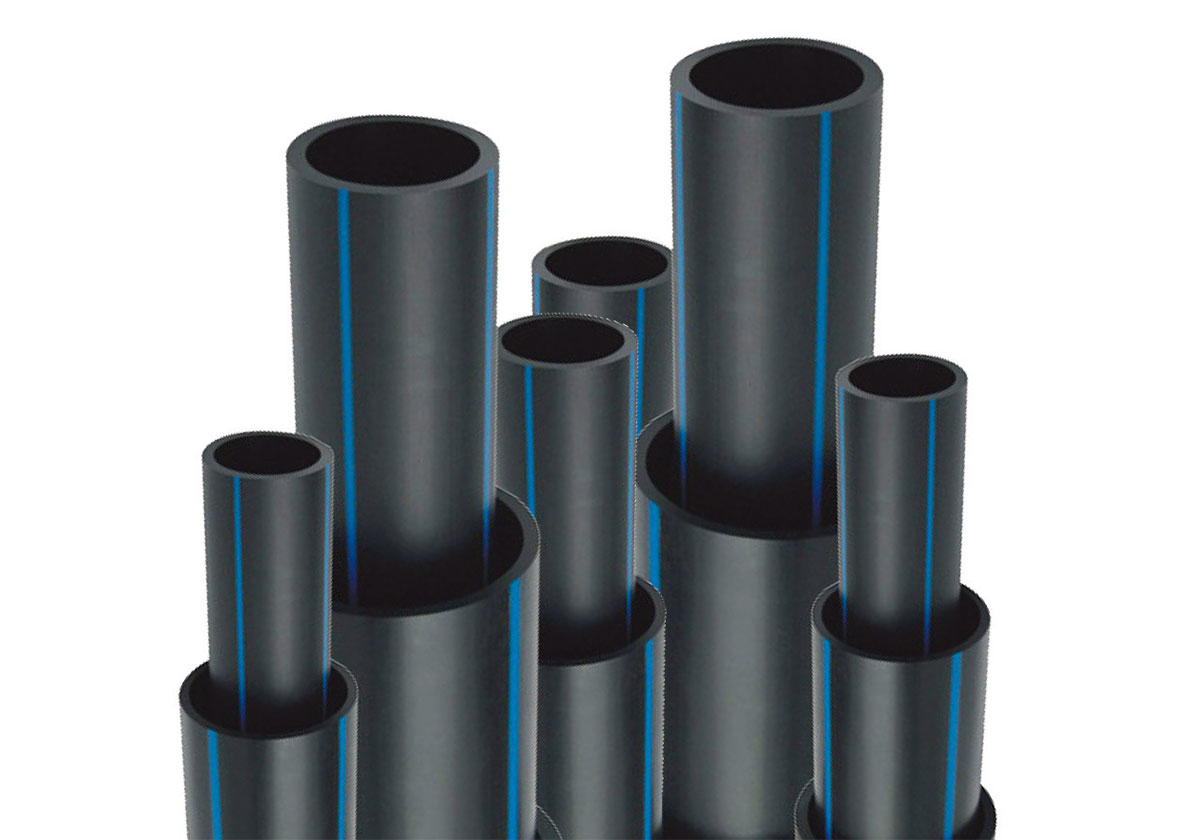
HDPE (high-density polyethylene) pipes are a backbone product for many sectors. They carry drinking water, irrigation water, wastewater, slurries, chemicals, and compressed gases. They serve mining, oil and gas, municipal infrastructure and fire protection. Their track record is strong. Compared with other pressure pipe materials used in gas distribution, HDPE pipes show lower repair rates per mile each year. They are tough, flexible, and durable. They resist chemicals and abrasion. They offer long life with low maintenance.
Choosing the right black masterbatch is a technical decision. Consider these factors.
Type of carbon black — furnace black grades vary. Some offer better UV protection. Others offer better dispersion. Ask for data on UV absorbance and particle size.
Filler content in masterbatch — typical loading is 2–3% carbon black in final compound for UV protection. Some applications need higher or lower dosing. Your supplier should support trial blends.
Carrier resin compatibility — masterbatch carrier must match HDPE chemistry. Mismatch can cause dispersion issues or affect MFI (melt flow index).
MFI and melt behavior — masterbatch must not upset processing. Check MFI compatibility and rheology data before scale-up.
Dispersion and friability — good pellet integrity and low dust make handling easier and improve dosing accuracy.
Processing advice for extrusion lines
Practical steps help achieve consistent pipes.
Dry raw materials to prevent moisture issues and bubbles.
Feed masterbatch evenly. Use gravimetric feeders where possible.
Optimize screw profile and speed to improve dispersion without degrading polymer.
Monitor melt temperature and pressure. Keep conditions stable during production runs.
Run color and physical tests on each lot. Check density, MFI, and carbon black dispersion.
Quality control: tests that matter
For pipe makers, QC is not optional. Typical tests include:
| Test | Purpose |
|---|---|
| UV ageing (weatherometer) | Assess long-term color and property retention |
| Carbon black dispersion | Ensure uniform color and protection |
| Melt Flow Index (MFI) | Confirm processing behavior |
| Tensile and impact | Verify mechanical integrity |
| Hydrostatic pressure test | Check pipe leak and burst resistance |
Real-world benefits seen by pipe manufacturers
Manufacturers who adopt quality black masterbatch report lower field failures. They see fewer UV-related cracks. They report better visual consistency across coils and batches. These results matter to specifiers and engineers. Lower failure rates mean fewer service calls and lower life-cycle costs. For contractors, it means smoother installation and fewer surprises. For suppliers, it builds trust and repeat business.
Regulatory and standards considerations
HDPE pipe systems must meet local and international standards. These include drinking water safety, chemical resistance, and pressure ratings. Black masterbatch should not introduce contaminants. Choose products with traceability and proper certificates. Suppliers need to provide technical datasheets and test reports to support approvals and bidding.
Sustainability: masterbatch and recycled content
Many pipe makers now use recycled HDPE to lower costs and meet sustainability goals. Adding carbon black can mask discoloration from recycled resin and improve appearance. However, recycled content affects mechanical properties. Work with your masterbatch supplier to balance filler loading, UV protection, and strength. Optimized masterbatch helps make recycled-content pipes that still meet performance standards.
Cost-benefit analysis
Adding black masterbatch increases raw material cost slightly. But it reduces long-term costs. How? It extends service life, lowers maintenance needs, and reduces field failures. It also boosts brand perception. For municipal projects, long-life pipes reduce total cost of ownership. For irrigation and agricultural systems, durability reduces downtime and replacement costs. The right masterbatch is an investment.
Case example
A mid-size pipe producer adopted a tailored black masterbatch. They used 2.5% dosing in their HDPE compound. After six months of field installations, they reported a 40% drop in appearance-related complaints and no UV-induced failures. Production runs stayed stable. The change also helped them win a municipal contract where long-term durability was a priority.
Common questions from pipe makers
Q: Will black masterbatch affect mechanical properties?
A: Properly formulated masterbatch should not reduce strength at recommended dosages. Always run tensile and burst tests on trial batches.
Q: How much masterbatch should I use?
A: Typical carbon black in final compound is 2–3% for outdoor UV protection. Some heavy-duty or black-pipe standards use higher loads. Your supplier should guide dose rates based on tests.
Q: Can masterbatch help when using recycled HDPE?
A: Yes. It can mask color variations and help maintain a uniform look. But mechanical properties of recycled resin must be evaluated and balanced.
Choosing the right supplier
Work with a supplier who understands pipe applications. Look for:
Technical support and trial assistance.
Consistent quality and traceability.
Clear test data and certificates.
Flexible supply to match production schedules.
Our commitment
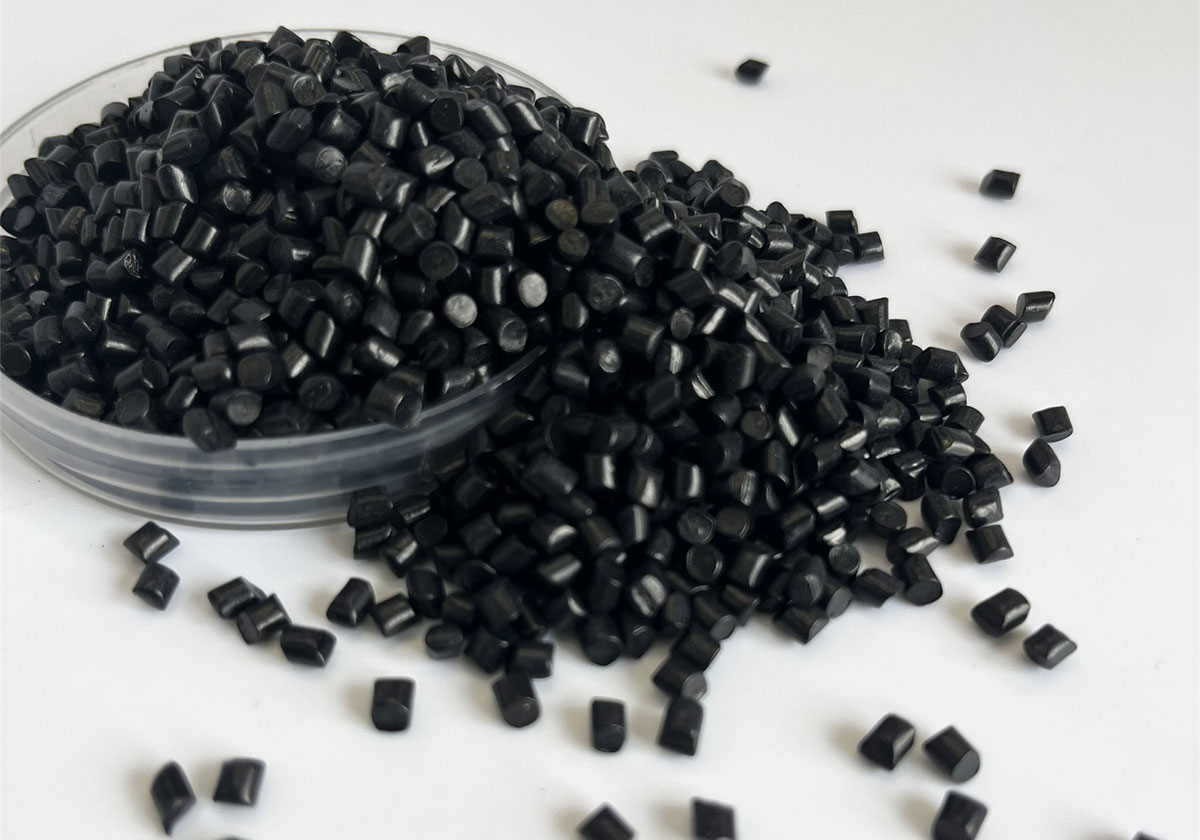
We supply black masterbatch tailored for HDPE pipes. Our formulations focus on dispersion, UV protection, and process stability. We provide technical support for trials and scale-up. We share lab data and help with certificates. Our goal is to help pipe manufacturers deliver reliable, long-life products.
Conclusion
HDPE pipes serve critical roles in water, irrigation, energy, and industry. Their longevity and reliability depend on material choices and formulation. Black masterbatch plays a key role in protecting HDPE from UV and weathering. It improves appearance and reduces field failures. For pipe manufacturers, choosing the right black masterbatch partner can make the difference between a good product and a great one.
Want to test our black masterbatch in your pipe line? Contact us for samples and technical support.